



Aagya Khabar
Bardibas
What began as a small pickle-making venture from the kitchen of a woman in Bardibas-1 has now grown into a collective industry. Named Panchadhura Homemade Pickle Factory, this enterprise is more than just about producing tasty pickles—it is a compelling story of women’s self-reliance, perseverance, and success.
Since its formal operation as a collective from Ashoj 2081 (September/October 2024), the factory has become one of the successful home-based industries led by women in Bardibas Municipality.
Pratima Koirala from Bardibas-1 started making pickles on Shrawan 15, 2080 (late July 2023) with an initial investment of just NPR 10,000. At first, she prepared pickles in a small corner of her home and sold them in the local market. As demand surged during festivals, so did her orders. According to her, “I was committed to making pure organic pickles, and that became the unique selling point of my business.”
Initially focusing on mango, lemon, and other varieties, she started wholesale distribution in Bardibas and surrounding markets. However, as demand increased steadily, she found it difficult to manage alone.
Her solo initiative began to evolve into a group effort. She started consulting women in her neighborhood. During this time, she met Sunita Nemahafu, director of ECI Nepal, through Nagdeb Yadav, chairperson of the Community Development and Advocacy Forum Nepal.
On Sunita’s advice, Pratima decided to transform her personal venture into a collective enterprise. She considered her initial NPR 10,000 investment as her ‘lucky amount’ and encouraged other women to invest the same.
By Ashoj 2081, ten other women joined her, each contributing NPR 10,000 in shares. Thus, Panchadhura Homemade Pickle Factory was born as a collective enterprise. “Some locals used to mock me, calling me an ‘acharwali’ (pickle seller),” recalls Koirala. “They would say—can you really build a life selling pickles? But today, those same people come to me for business advice.”
She has proven that self-confidence, consistency, and hard work can change society’s perspective. Her inner strength is now a source of inspiration for many women in Bardibas.
Like many other places, Bardibas too has seen a strong wave of youth migrating abroad for work. But Koirala chose the path of self-reliance at home.
She says, “Instead of working under someone else in a foreign land, it’s better to live with dignity by doing what you know in your own country.”
Now leading a team of 11 women, she oversees everything from production to sales and branding using local resources.
The factory currently produces 10 varieties of pickles along with traditional items such as anarsha, sel roti, patre mithai, buckwheat flour, corn grits, kwati mix, mung beans, millet flour, and bansilo (a local delicacy).
As the products are free from chemicals, everything is made organically and locally—something Koirala prioritizes. “We make products balancing both taste and health,” she says.
Today, Panchadhura pickles are not only available within Bardibas Municipality but are also reaching nearby rural municipalities. During festivals, demand skyrockets, says Koirala.
Customers can order directly, through mobile, or purchase from retail shops. The factory is also promoting its products through its official Facebook page.
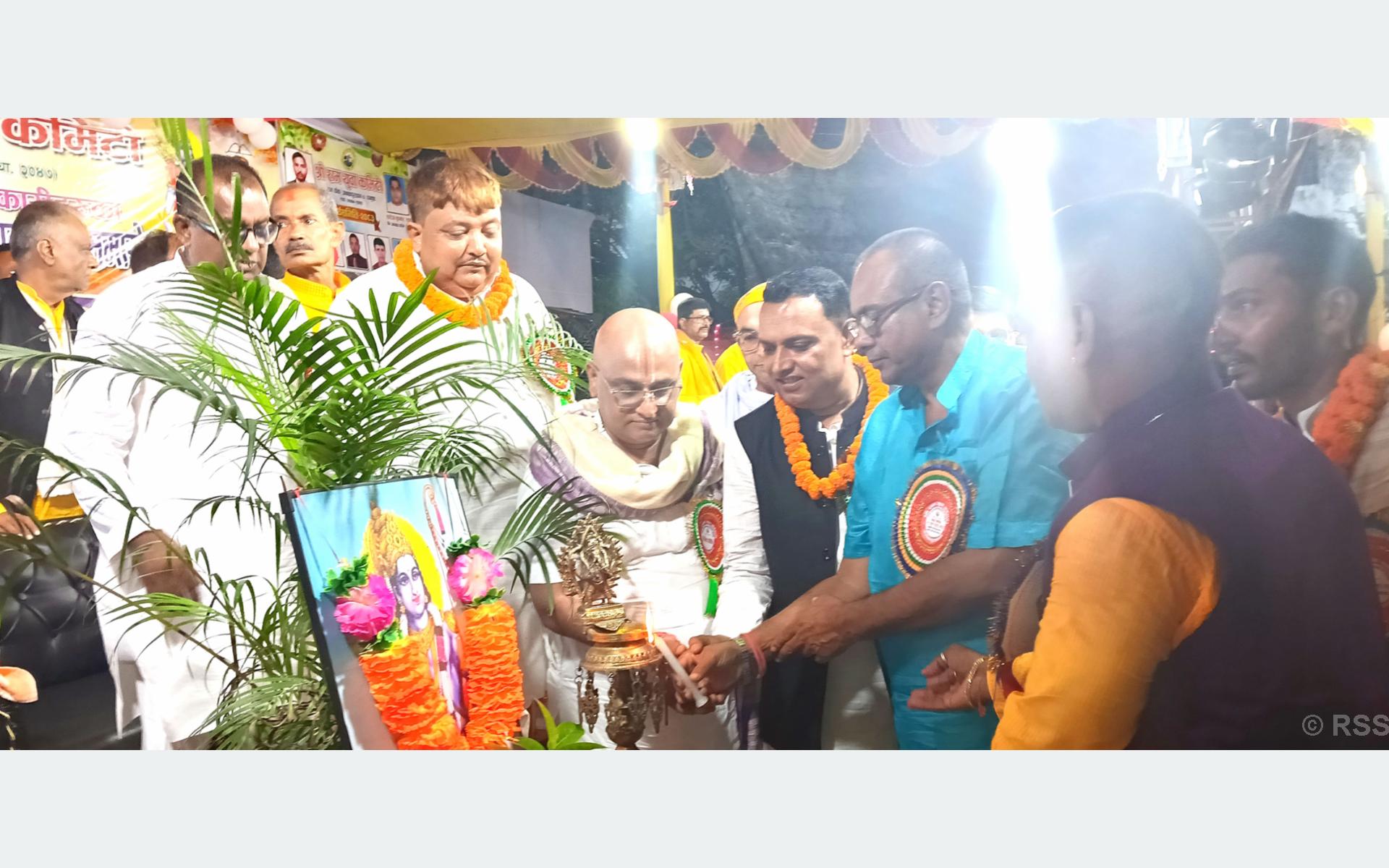
Recently, a formal inauguration ceremony was held on Wednesday, where Madhesh Province MP Sharadadevi Thapa cut the ribbon to open the new office of the enterprise. Speaking at the event, MP Thapa said, “Such initiatives by women are inspirational for Bardibas. This is a symbol of self-reliance and empowerment.”
She emphasized that Bardibas Municipality and the provincial government should develop special programs to promote such enterprises.
Koirala and her team now aim to make the business more organized and professional. They are preparing to implement modern packaging, labeling, and branding systems.
With increased production, the factory also aims to provide employment opportunities to more local women. “We want to offer direct employment to other women as well,” says Koirala.
She urged Bardibas Municipality to support entrepreneurial women with training, skill development, market access, and financial support through policy measures.
The story of Panchadhura Homemade Pickle Factory is not just about pickle-making—it is a story of women’s awakening, the power of collectivity, the possibilities of self-reliance, and the struggle to bring change through skills.
What began with Pratima Koirala in Bardibas has now become a shared journey of the local women. Inspirational initiatives like this can drive the economic transformation of the nation.