





Aagya Khabar
Kathmandu
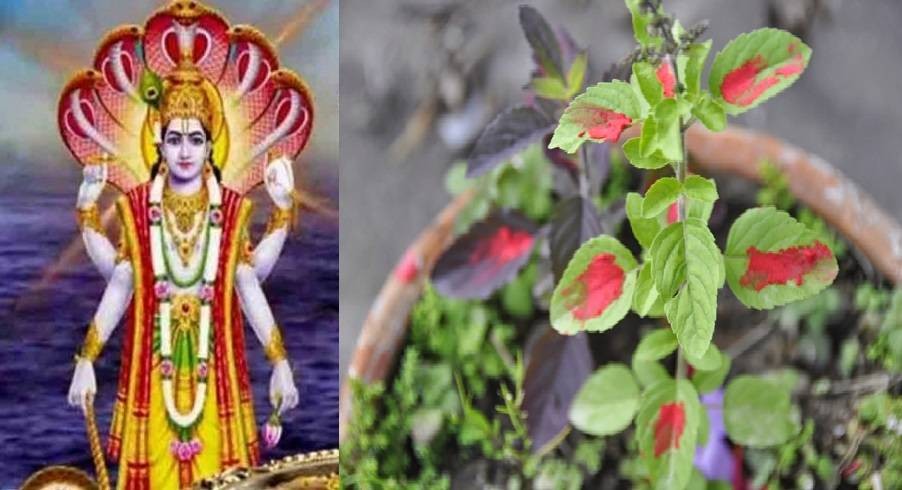
Today, Ashadh Shukla Ekadashi, also known as Harishayani Ekadashi, is being observed across the country with devotion and reverence. Based on the religious belief that Lord Vishnu enters Yogic sleep (Yoga Nidra) in the Kshira Sagara (Ocean of Milk) for four months from this day, the Chaturmas vow begins.
On the occasion of Harishayani Ekadashi, a large number of devotees have gathered at Vishnu temples since early morning. Special worship, darshan, bhajan, and kirtan have been organized at temples including Budhanilkantha, Changu Narayan, Bishankhu Narayan, Shesh Narayan, and Ichangu Narayan in Kathmandu. A significant presence of devotees has also been seen at other major Vishnu temples across the country.
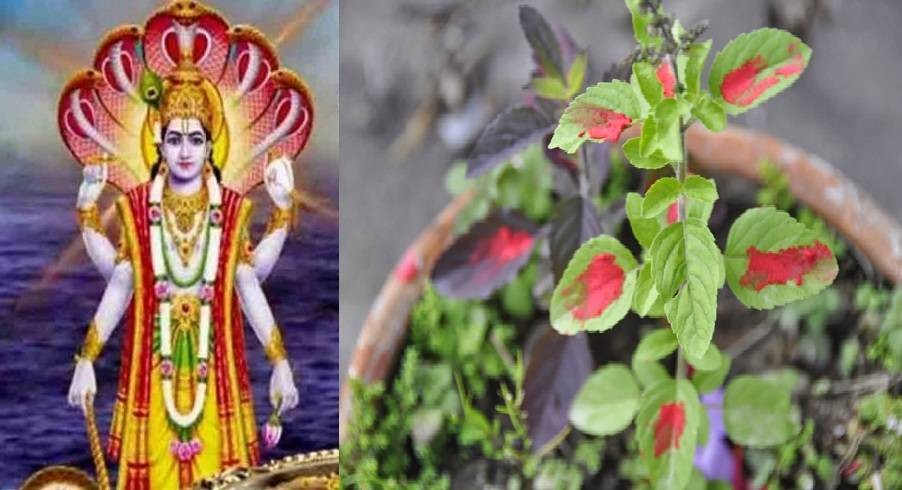
On this occasion, there is a tradition of planting Tulsi saplings in homes and offering regular worship. In the Sanatan tradition, Tulsi is regarded as the favorite sacred plant of Lord Vishnu. According to religious beliefs, Tulsi is specially worshipped from Harishayani Ekadashi until Kartik Shukla Ekadashi, also known as Haribodhini Ekadashi.
According to scholars of Hindu scriptures, although there are 24 Ekadashis in a year, Harishayani and Haribodhini Ekadashi are observed with special significance. It is believed that on Haribodhini Ekadashi, Lord Vishnu awakens from His divine sleep, and the traditional Tulsi Vivah (ceremonial marriage of Tulsi) is performed.
Apart from its religious importance, Tulsi is also considered a medicinal plant with numerous healing properties. Ayurveda has long used Tulsi in the treatment of various ailments. It is also widely believed that planting Tulsi in the courtyard or on a Tulsi altar helps purify the environment and promotes the flow of positive energy.