





Aagya Khabar
Bardibas
The latest step taken by Bardibas Municipality in Mahottari toward energy transformation appears to be more than just a distribution program—it marks the beginning of a broader shift in local lifestyles. The initiative to transition kitchens, traditionally dependent on firewood, coal, and LPG gas, toward electric technology directly impacts citizens’ daily lives, health, and the environment.
Transformation Beginning from the Kitchen
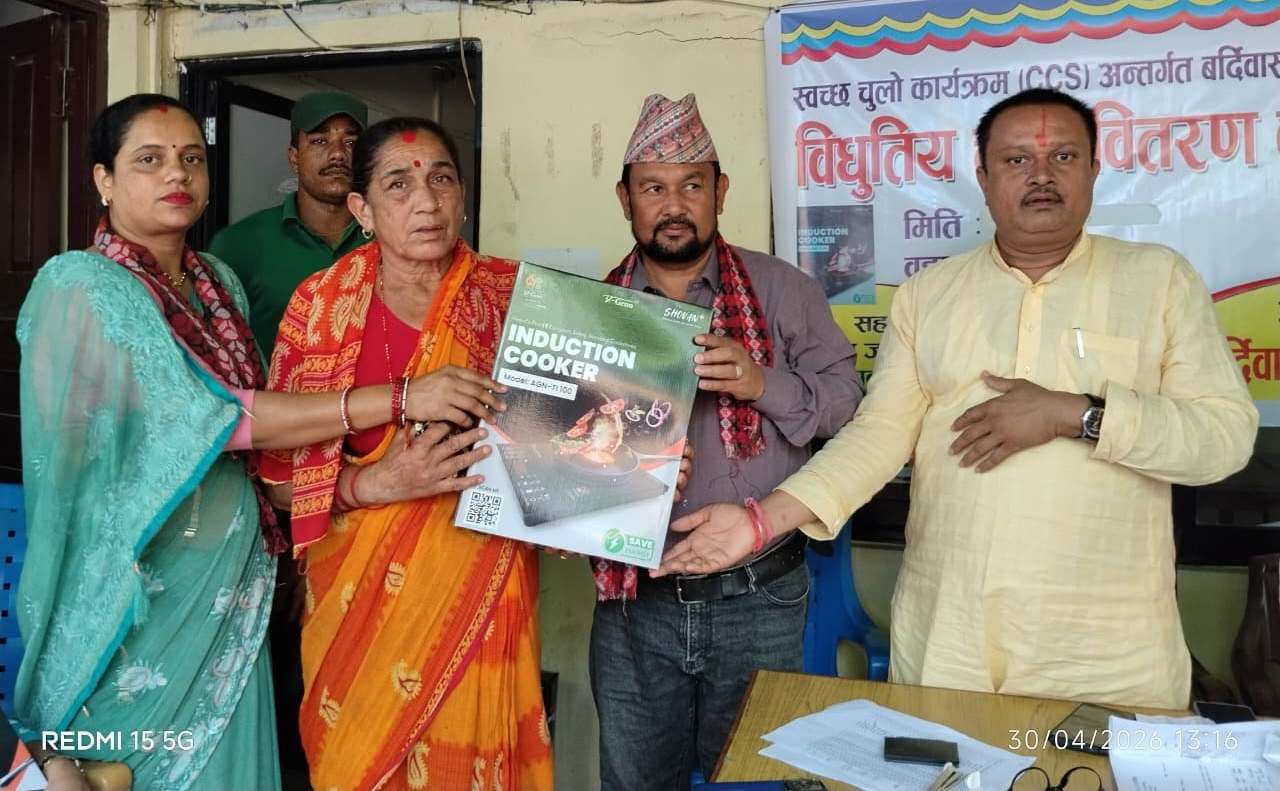
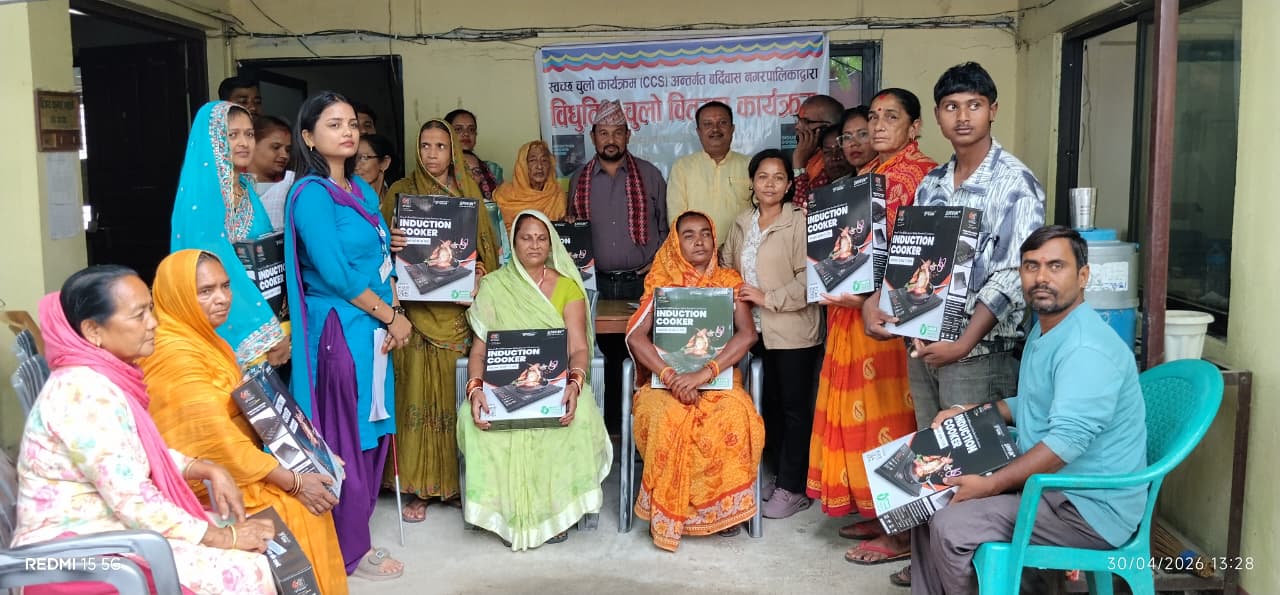
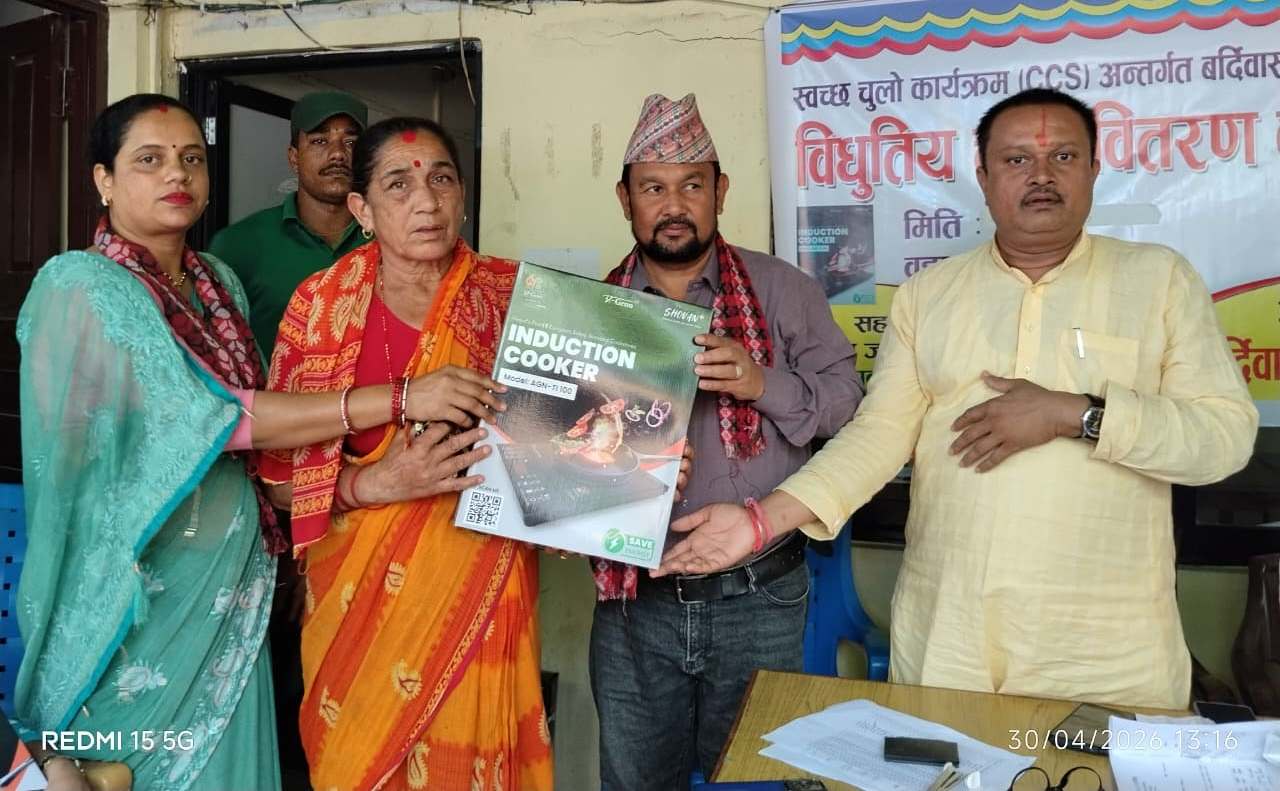
Continuing the electric stove distribution program launched from Ward No. 1, the municipality on Thursday distributed 2,000-watt induction cooktops to 137 households in Wards No. 2 and 14. The distribution event, organized at the ward offices, generated visible enthusiasm among locals, symbolizing not just the handover of appliances but the entry into a new way of living.
For residents long burdened by smoke-filled kitchens and unreliable LPG supplies, electric cooking has emerged as a convenient alternative—offering time savings, reduced labor, and lower health risks.
A New Model of Collaboration
A notable aspect of this program is its multi-stakeholder investment model. The funding structure includes 19.09% from the municipality, 10% from the Green Climate Fund, 47.97% from the Alternative Energy Promotion Centre, and 22.94% from the beneficiaries themselves.
This collaborative approach highlights how sustainable development programs become more effective when local governments, international resources, and citizens work together—especially in addressing fundamental needs like energy.
A Message of Inclusion
Initiated under the leadership of Mayor Prahlad Kumar Kshetri, the program goes beyond technology distribution. In its first phase, priority was given to Dalit communities, persons with disabilities, and single women—sending a strong message of social justice.
The initiative underscores that development remains incomplete without equitable access to energy. True transformation becomes possible only when all sections of society can equally benefit from modern energy solutions.
From Gas Crisis to Sustainable Alternatives
Addressing the program, Mayor Kshetri expressed concern over the instability in LPG supply caused by recent international developments. He emphasized that continued dependence on traditional fuels is not a viable long-term solution.
“It is time to integrate clean and sustainable energy like electricity into our daily lives,” he stated, highlighting both environmental protection and economic savings, as electric cooking could reduce long-term household expenses.
Local Experiences: Relief and Hope
The joy among recipients clearly reflects the program’s impact. Residents shared that electric stoves would reduce worries over gas shortages, eliminate the burden of collecting firewood, and make cooking faster and safer.
This change is particularly significant for rural women, as smoke-free kitchens, reduced physical labor, and more available time are expected to improve their daily lives.
A Long-Term Vision
Bardibas Municipality plans to expand this initiative beyond a one-time effort. Future plans include distributing electric stoves, improved cookstoves, and household biogas systems across all wards.
This strategy aims to reduce reliance on firewood and LPG while contributing to environmental protection. It also demonstrates how proactive local governance can effectively lead the journey toward energy self-reliance.
A Small Start, Big Potential
This initiative proves that transformation does not always begin with large-scale projects. Sometimes, a small step starting from the kitchen can reshape both societal thinking and behavior.
If continued and expanded, Bardibas’s approach could serve as an (inspiring) model for promoting clean energy nationwide.