




Aagya Khabar
Bardibas
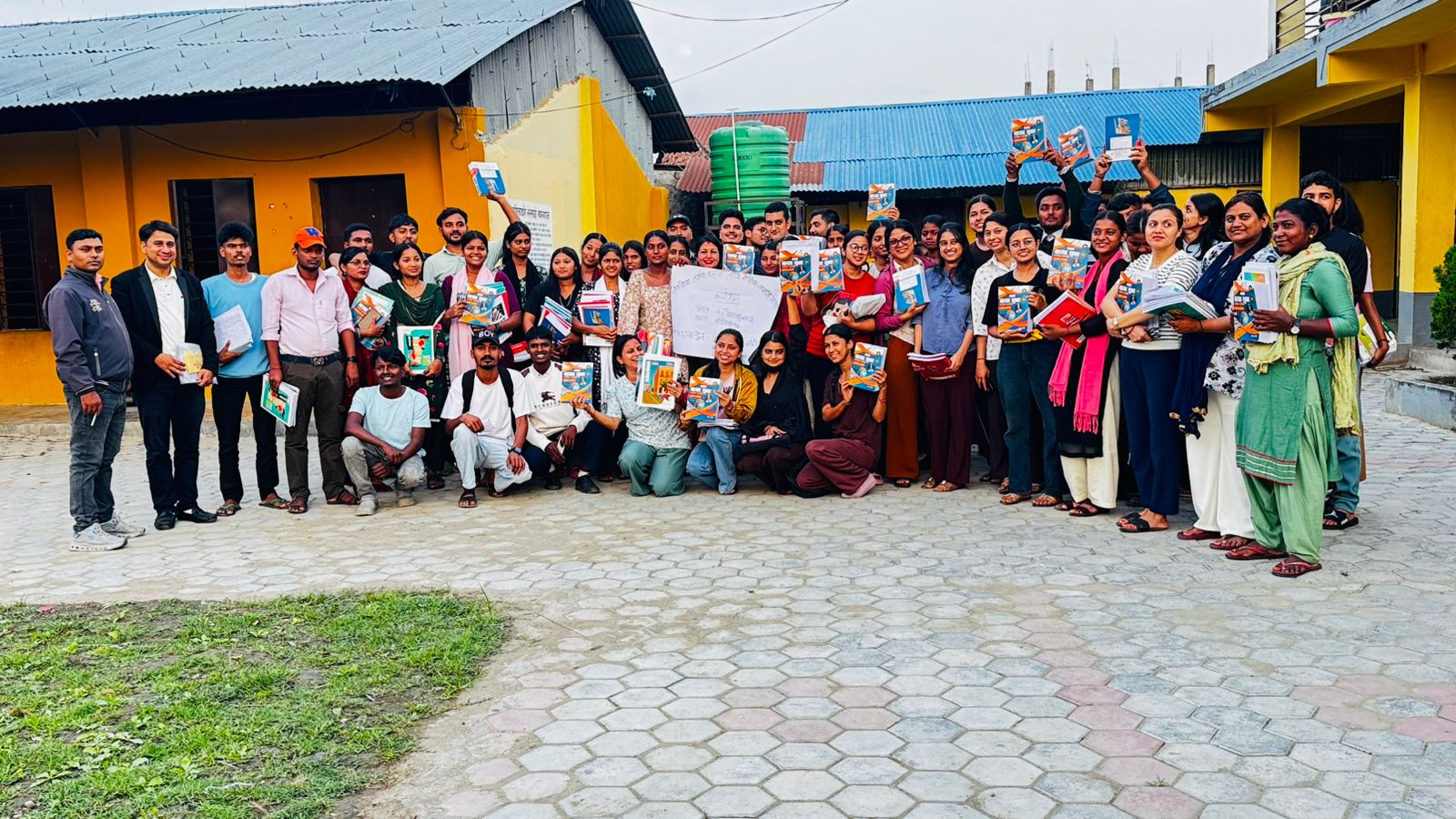
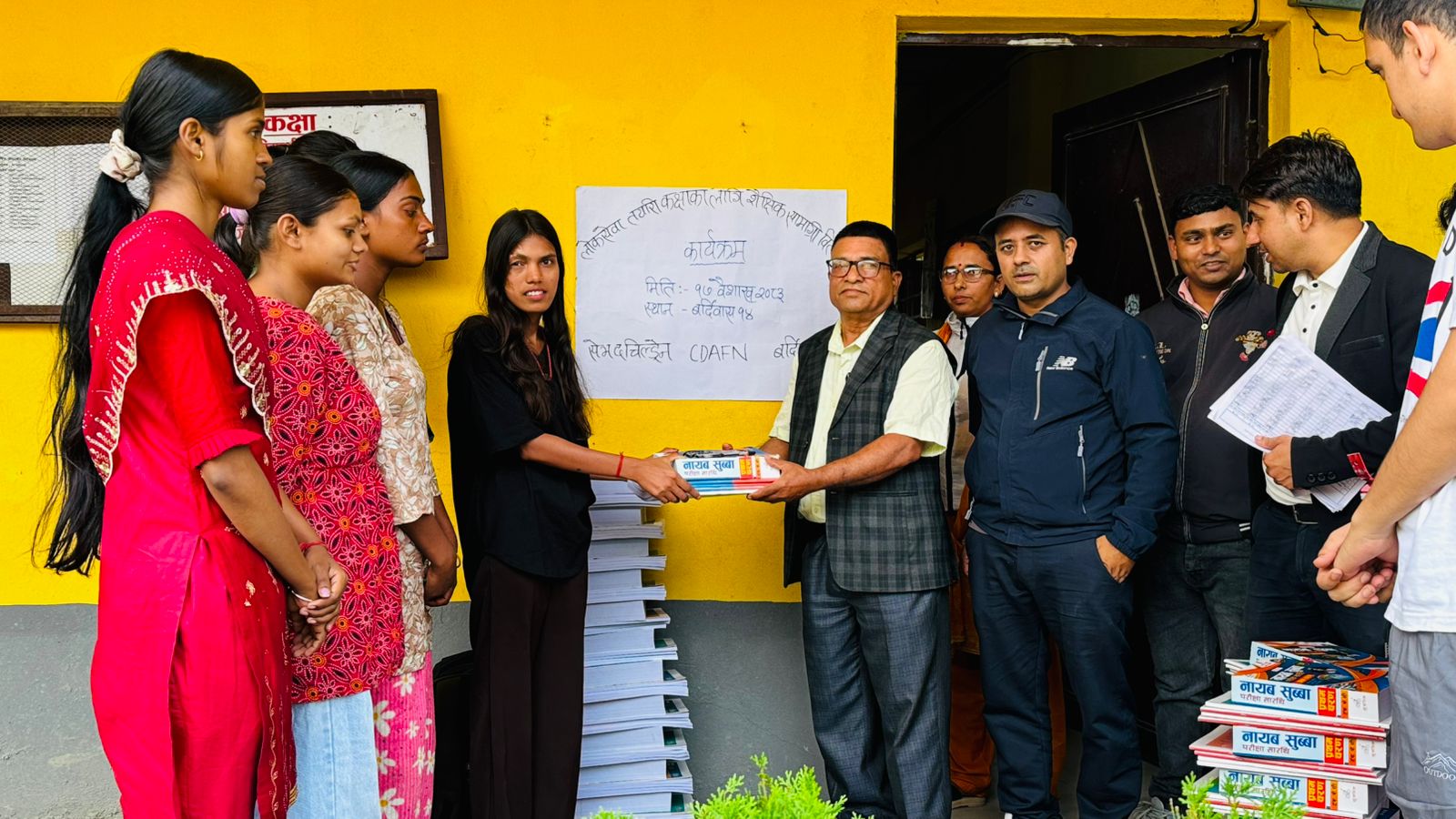
A small yet meaningful program held on Thursday in Bardibas, Mahottari, has ignited big dreams in the eyes of 70 young participants. Educational materials were distributed to trainees—particularly those from the Dalit community, including the Sada group—who are attending a Nayab Subba (Section Officer) preparation class organized by the Employees’ Coordination Center Bardibas with support from Bardibas Municipality.
This initiative, targeted at economically disadvantaged yet highly motivated and capable youth, is expected to add momentum to their academic journey. Under the program, participants received essential study materials required for their preparation. Each trainee was provided with one book for the first paper, four A4-sized notebooks of 150 pages each, and five pens. While these items may appear simple, they carry extraordinary significance for many—serving as foundational tools for shaping their future.
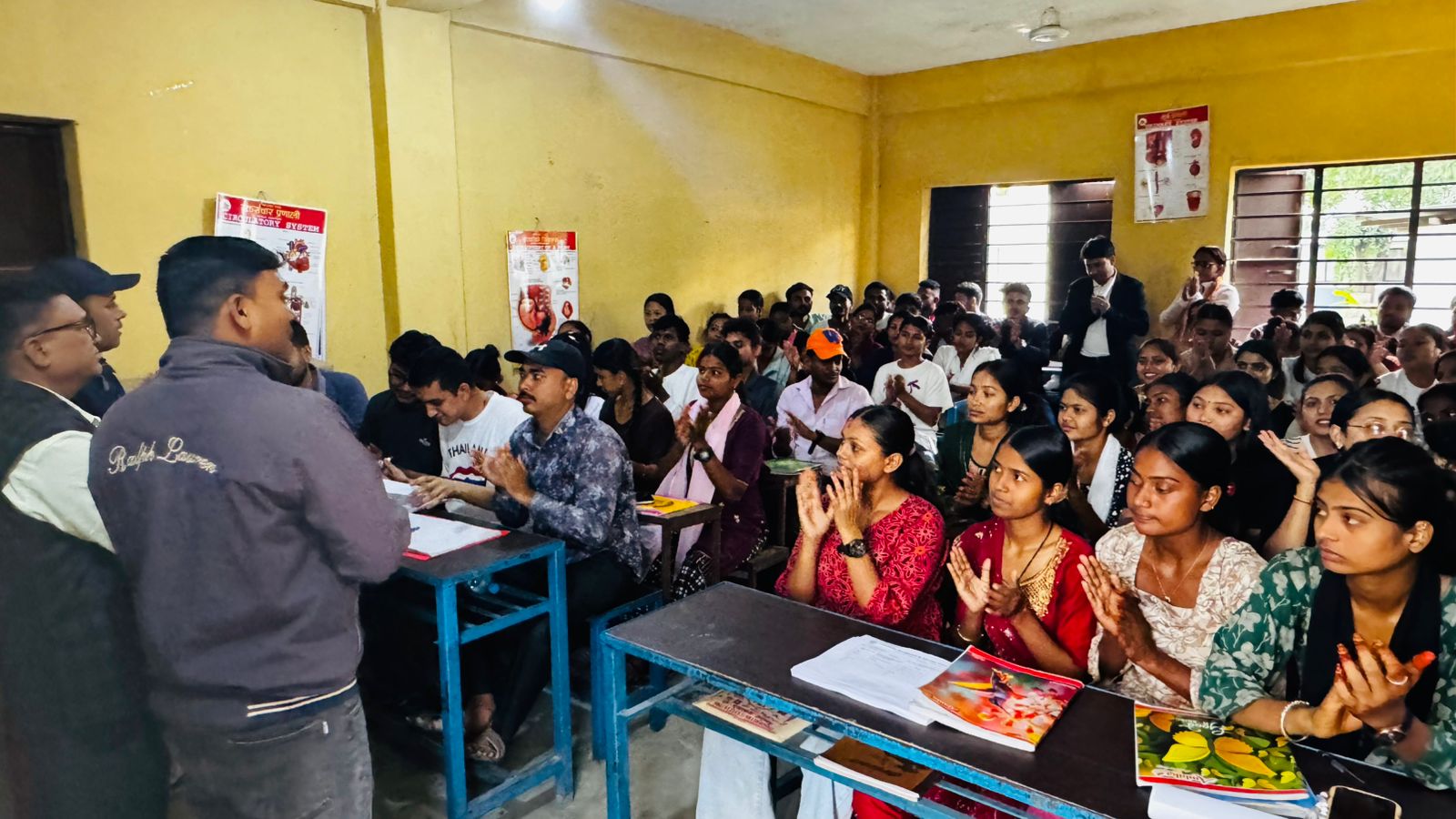
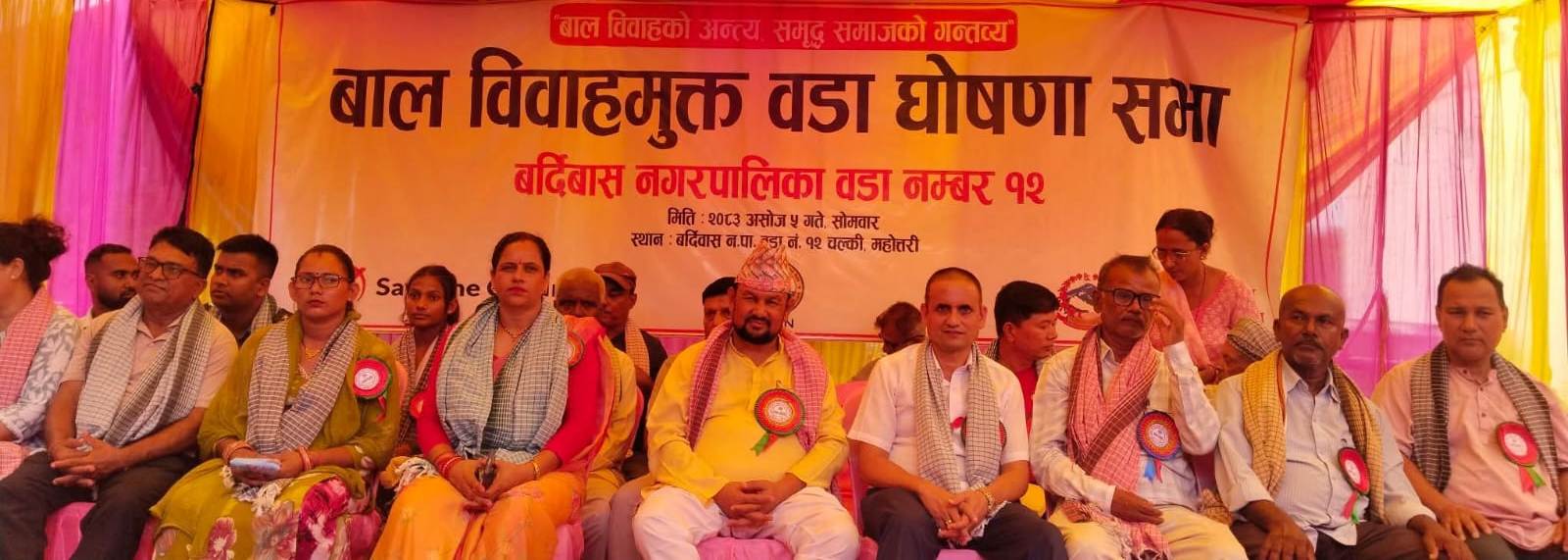
The program is being conducted with support from Save the Children and the Community Development and Advocacy Forum Nepal (CDAFN). This collaboration has strengthened local efforts and demonstrated a practical commitment to social inclusion.
During the distribution event, CDAFN Vice President Som Bahadur Karki, Bardibas Municipality representative Pawan Kumar Karki, and instructor Dipesh Kafle jointly handed over the materials. Speaking at the event, Vice President Karki encouraged the participants to pursue their studies with dedication, perseverance, and self-confidence, while extending his best wishes for their bright future.
The program conveys a clear message: once opportunities are provided, it does not take long for potential to shine. Initiatives focused on Dalit and Sada youth are expected not only to foster individual success but also to strengthen the broader values of inclusion and equality in society.
This initiative in Bardibas sends a strong signal—if local governments, non-governmental organizations, and communities collaborate effectively, transformative change for marginalized groups is possible.