





Aagya Khabar
Bardibas
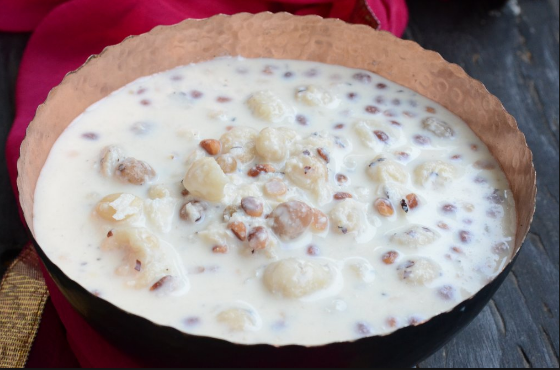
The fifteenth day of the Nepali month of Saun, known as Kheer Khane Din (the day of eating kheer), is being observed across the country today with cultural and religious significance in the Hindu community of Nepal. As per tradition, kheer—a sweet rice pudding made with rice, milk, ghee, and dry fruits—is specially prepared and enjoyed with family members on this day.
Though the month of Saun is marked by fasting, prayers, and various religious customs, the fifteenth day is seen as a unique blend of flavor and culture. The tradition of eating kheer reflects Nepal’s indigenous lifestyle and deep-rooted cultural practices.
Local resident of Bardibas, Bhagawati Mainali, says, “During our time, the arrival of Saun 15 meant the aroma of milk would fill the entire house. Even today, we are enjoying kheer with our sons, daughters-in-law, and grandchildren.”
According to classical beliefs, kheer is considered a sattvic (pure) food that not only nourishes the body but also brings mental balance. Particularly, women observing fasts throughout Saun, often in preparation for the upcoming Haritalika Teej festival, embrace this day as a sweet and symbolic conclusion to their spiritual discipline.
Some even refer to this day as a “day of remembering tradition.” From Kathmandu to Kanchanpur, and from Ilam to Bardibas, households across Nepal prepare kheer as part of the celebration. Social media is flooded with pictures of kheer and festive greetings.
Demand for milk has significantly increased in the market compared to regular days. According to Purushottam Bhattarai, proprietor of Om Shanti Dairy at Sindhuli Chowk in Bardibas, “On Saun 15, the demand for milk rises two to three times. Customers start coming early in the morning to buy milk for making kheer.”
Coinciding with the monsoon season, this festival not only brings the joy of seasonal delicacies but also strengthens family bonds and collective celebration.