




Aagya Khabar
Bardibas
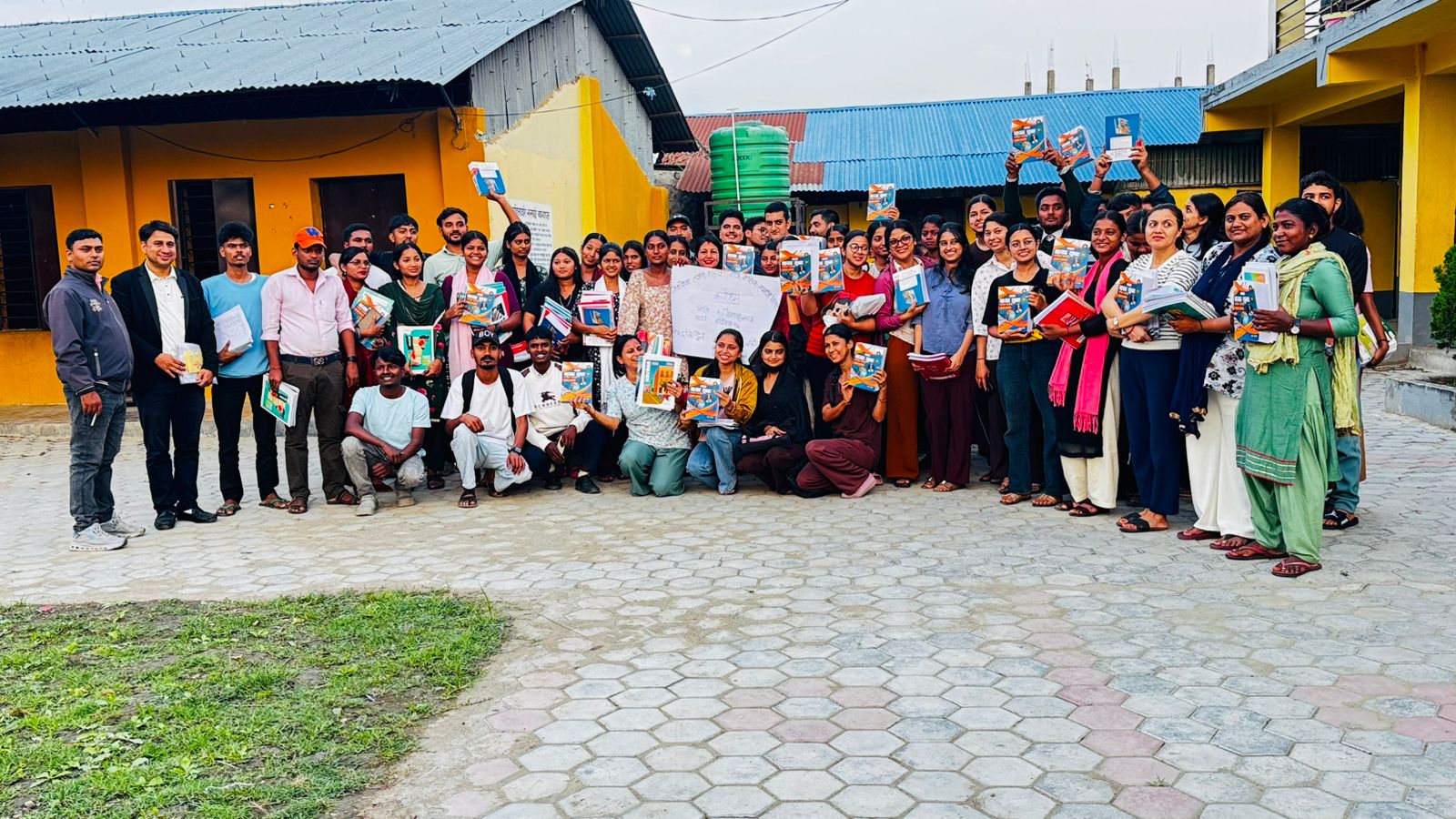
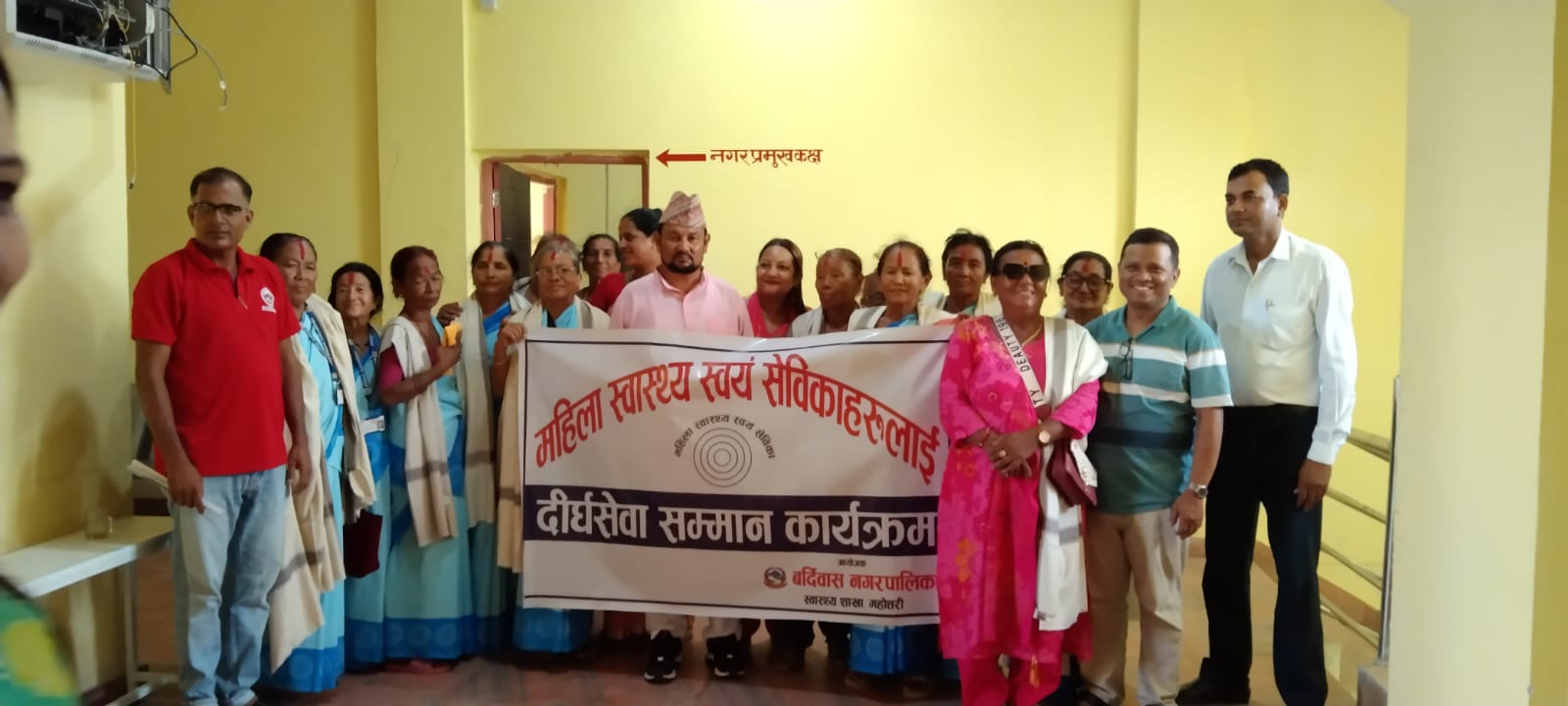
The tradition of honoring Female Community Health Volunteers (FCHVs)—long regarded as the backbone of Nepal’s public health system—is gradually becoming institutionalized. A remarkable example of this shift was recently seen in Bardibas Municipality, where a special program was organized on Friday to recognize FCHVs who have been serving since 1988 (2045 BS).
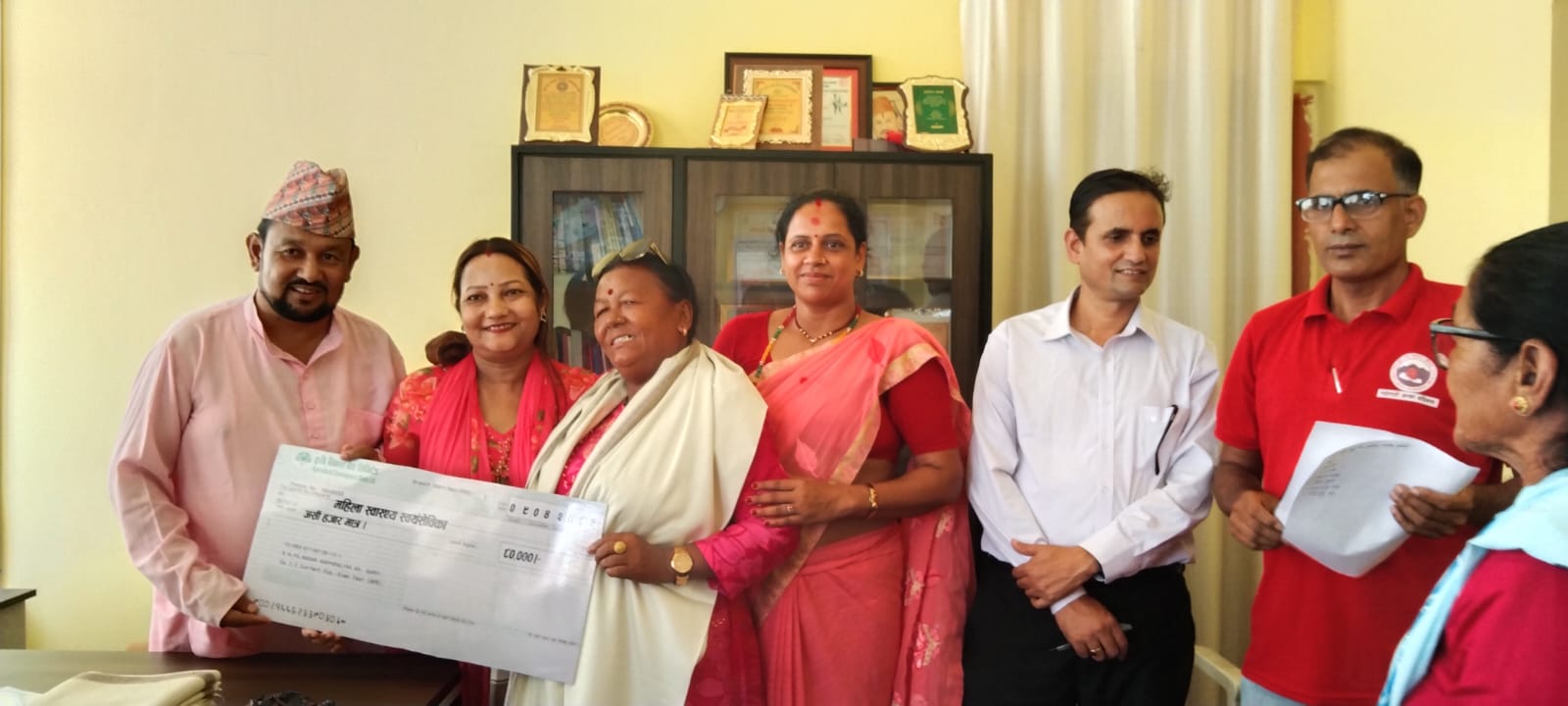
What made this program particularly notable was the municipality’s contribution to the retirement honorarium. While the Government of Nepal provides a token amount of NPR 20,000 to retiring FCHVs, Bardibas Municipality, under the leadership of Mayor Prahlad Kumar Kshetri in his second term, added an additional NPR 80,000. This raised the total amount to NPR 100,000, which was directly transferred to each volunteer’s bank account—a historic step in local governance and appreciation.
At the event, organized by the Municipality’s Health Division, Mayor Kshetri stated:
“The selfless service, sacrifice, and dedication of our FCHVs have brought significant improvements to public health in Bardibas. It is our duty to institutionalize and honor their contributions. Starting next year, we also plan to initiate training, regular allowances, and insurance schemes for newly appointed FCHVs.”
When Nepal introduced the FCHV program in the mid-1980s under the community health improvement initiative, many women joined not for salary but for social service. In Bardibas, most of them juggled household responsibilities while also playing critical roles in childbirth assistance, vaccination campaigns, maternal care, health education, and nutrition programs. They never demanded regular salaries. Over the years, the state occasionally clapped for them or handed out certificates—but adequate financial recognition remained elusive.
Realizing that NPR 20,000 was not a sufficient gesture for decades of unpaid service, Mayor Kshetri decided to multiply the honorarium fivefold. This move not only set a precedent for Bardibas but also posed an example for other local governments.
Urmila Karki, an FCHV from Bardibas-3 who participated in the program, said:
“On Asar 23 (early July), I received a mobile message that NPR 100,000 had been deposited into my account. I felt both happy and sad. Happy that our work was finally valued, and sad that this marked the end of my service. After over 30 years of selfless contribution, this cash honor is not just financial support—it is a symbol of societal appreciation.”
Similarly, Janaki Shahi from Bardibas-14, echoed the sentiments of many present. All the volunteers expressed heartfelt thanks to Bardibas Municipality and the mayor.
As each FCHV’s name was called during the ceremony and they were presented with their NPR 100,000 cheques, emotions ran high. These tears were not just of pain and struggle—they reflected deep emotional fulfillment in finally being recognized by the state and society.
This initiative by Bardibas Municipality is expected to inspire other local governments to express gratitude toward FCHVs. In a system like Nepal’s, where community-based health programs are crucial and deeply rooted, this act of recognition by Bardibas serves as both a tribute and a lasting inspiration for future generations.
This was not just a retirement program—it was a celebration of lives dedicated to service, an acknowledgment of their sacrifice, and a long-overdue evaluation of their contributions.