





Aagya Khabar
Janakpurdham
Three months have passed, yet the fields in Madhesh remain parched. Farmers gaze helplessly at the sky — there’s neither rainfall nor irrigation. Drought has cracked open the rice fields of Madhesh Province, leading the federal government to declare the region a “disaster crisis zone” for the next three months.
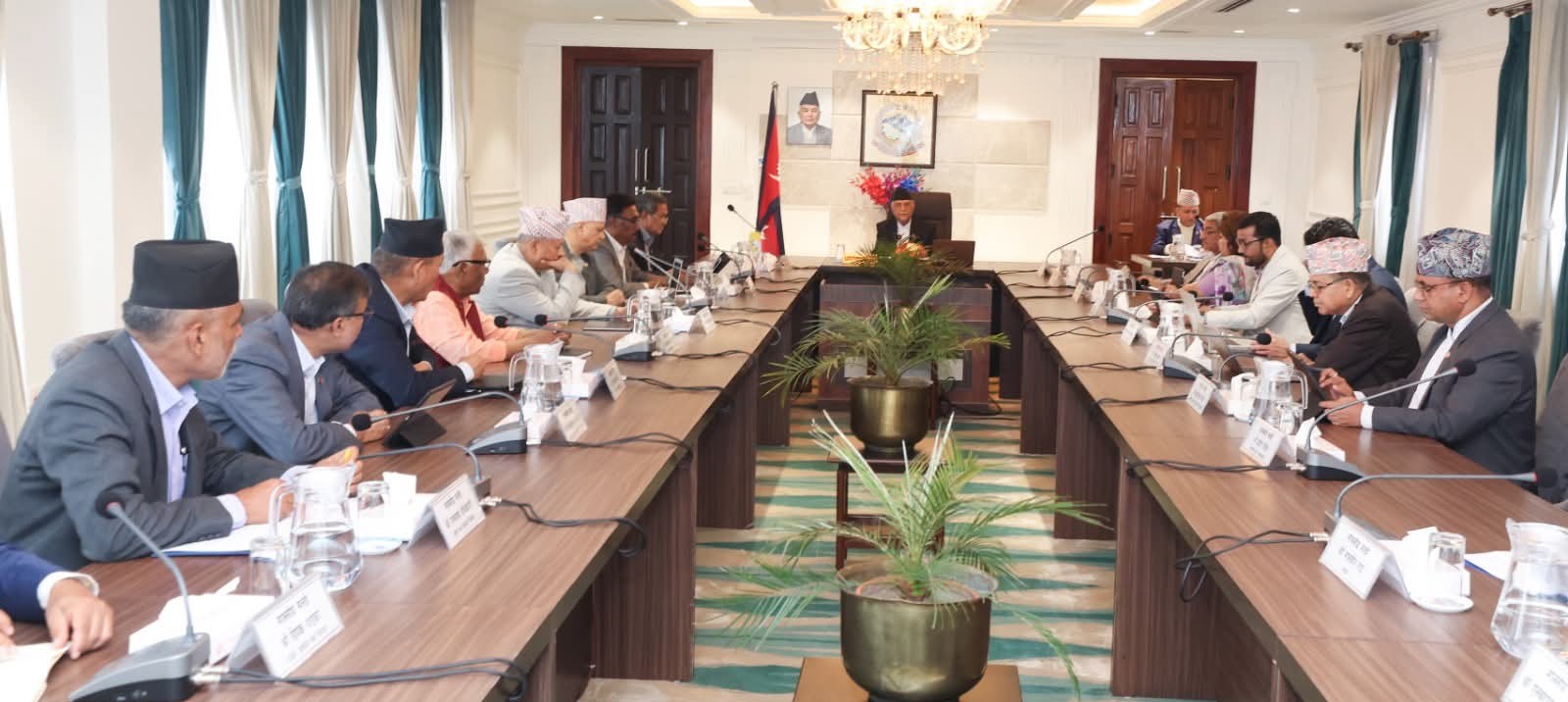
This decision was made during an emergency Cabinet meeting, invoking Section 32 of the Disaster Risk Reduction and Management Act, 2017. The declaration will now be published in the Nepal Gazette, with provisions to extend the period if necessary.
Earlier, on Asar 26 (early July), the Madhesh Provincial Government had already declared the region drought-affected. However, the worsening conditions, deepening crisis, and emerging threats to food security prompted the federal government to step in directly.
Less Than 50% Paddy Plantation Completed
According to the latest statistics from the Department of Agriculture, only 46% of paddy plantation had been completed in Madhesh by Saun 4 (mid-July). Out of a total arable area of 372,000 hectares, paddy has been transplanted in just 174,000 hectares. The rest of the fields lie barren—wells and tube wells have dried up, and farmers are desperately searching for water.
Jayprakash Yadav, a farmer from Dhanusha, says, “The seeds have already started drying due to lack of water. The government’s declaration is welcome, but real relief must follow in practice.”
Coordination Among All Three Tiers of Government
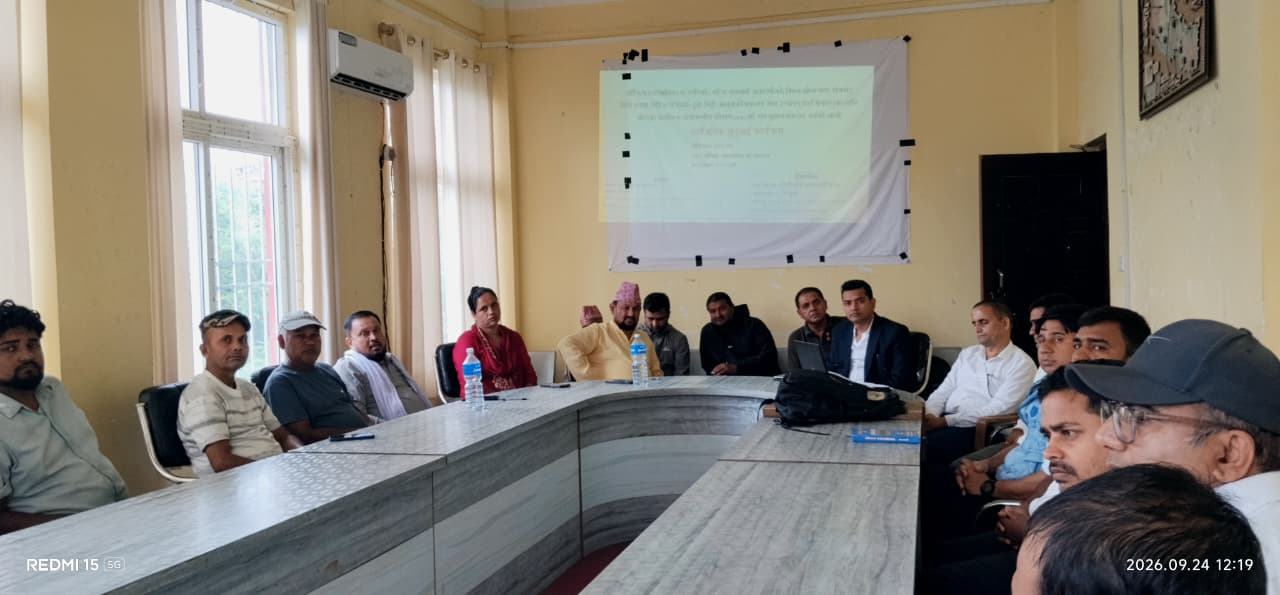
A secretary-level meeting held on Saun 5 under the leadership of the Chief Secretary directed coordinated efforts among federal, provincial, and local governments. The meeting also decided to activate district administration offices to address critical issues in drinking water, agriculture, and irrigation.
Government Seeks Long-term Solutions
The government appears committed not just to short-term relief but also to long-term solutions. The Ministry of Agriculture and Livestock Development has decided to deploy a technical team to Madhesh to identify sustainable strategies. This team will study soil conditions, water sources, irrigation infrastructure, and weather patterns before submitting a detailed report.
Farmers Caught Between Hope and Doubt
The federal decision has sparked a glimmer of hope among farmers in Madhesh. However, given past experiences of unfulfilled promises, some remain skeptical. “There are always big announcements,” says Sunita Devi, a farmer from Sarlahi. “But the real question is: when will water actually reach our fields?”
The Real Challenge: Turning Policy into Action
The ‘crisis zone’ designation will legally facilitate mobilization of resources and relief efforts. However, experts stress that immediate priorities must include solving irrigation issues, introducing alternative crop plans, ensuring access to seeds and fertilizers, and providing direct cash support to farmers.
Former Secretary Jhapta Bahadur Bhandari remarked, “The government’s response is a step in the right direction, but its effectiveness will depend entirely on implementation.”