

Aagya Khabar
Janakpurdham
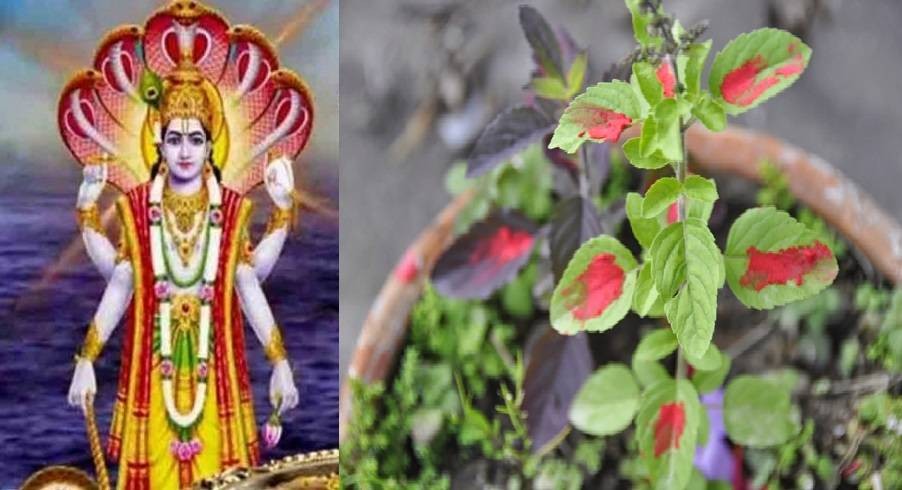
With the onset of Saun Shukla Tritiya, the Mithila region has been immersed in spiritual devotion and cultural vibrancy. The Jhula Festival, which began on Sunday evening, has filled the entire Mithila area with a festive atmosphere. The tradition of swinging the idols of Ram–Sita and Krishna–Radha, regarded as incarnations of Vishnu and Lakshmi, is central to the uniqueness of this festival.
Unlike household-centric celebrations, this festival is observed collectively at temples and monasteries (maths), where devotees engage in bhajans, kirtans, and rituals. The deities of Vishnu and Lakshmi are placed on beautifully decorated swings (jhulas) as devotees sing traditional folk songs like Jhula, Malhar, and Kajri while gently swinging the idols.
In Matihani of Mahottari, the festival was formally inaugurated with the arrival of the idol of Lakshmi-Narayan from the historic Lakshmi Narayan Temple, carried in a decorated palanquin (doli) accompanied by musical processions to the specially constructed Jhula House. This venue now hosts not only the local deities but also idols from various temples across the district and neighboring regions of India.
The festival, which continues from Saun Shukla Tritiya to the full moon day (Purnima), holds special significance in Janakpur’s Janaki Temple and Matihani’s Lakshmi Narayan Monastery. Devotees spend their days immersed in bhajans and kirtans, joyfully taking part in the ritual of swinging the sacred images.
According to Mithila cultural scholar Dhruva Ray, the festival is believed to have migrated to Mithila from Ayodhya and Vrindavan. Folk traditions claim that saint Surkishore Das initiated the festival in Matihani around 1787 BS. As Janakpur is considered the maternal home of Sita, the festival of Jhula holds special importance in Mithila culture as a way to honor Lord Ram, the son-in-law (jwai) of Mithila.
Maniparvat in Janakpur is also associated with this festival. It is believed that the precious gems given as dowry by King Janak during Ram and Sita’s wedding formed a sacred mound at this site. A customary worship is performed here on the first day of the festival to mark its beginning.
The festival concludes on Saun Purnima with a ritualistic untying of the swing’s rope. Beyond its religious significance, the Jhula Festival stands as a testament to the rich cultural heritage and social unity of the Mithila region.